




5 Ways Podiatrists Treat Plantar Fasciitis

November 23, 2026

Plantar fasciitis is a common cause of heel pain, usually producing a sharp feeling beneath the heel or along the arch, especially with the first steps after rest. Podiatrists can identify the cause, recommend targeted treatment, provide orthotics when appropriate, and help prevent recurring pain while you return to normal activity.

Podiatrist evaluating plantar fasciitis and heel pain

What causes plantar fasciitis?

The plantar fascia is a strong band of tissue running from the heel bone to the base of the toes. It supports the arch and helps absorb force when you walk or run. Plantar fasciitis develops when repeated stress causes irritation or small injuries in this tissue, often near its attachment to the heel.

Common contributing factors include:

  • Increased walking, running, or standing
  • Tight calf muscles or limited ankle flexibility
  • Flat feet or unusually high arches
  • Unsupportive shoes or worn-out footwear
  • Higher body weight or sudden changes in activity

The condition can affect athletes, people who work on their feet, and individuals who are otherwise active. It may begin gradually, but ignoring persistent symptoms can make everyday movement more difficult.

What does plantar fasciitis feel like?

The most recognizable symptom is heel pain with the first steps in the morning or after sitting. The discomfort may improve briefly as you move, then return after prolonged standing, walking, or exercise. Some people also notice tenderness along the arch or tightness in the calf.

Heel pain can have several causes, including heel spurs, stress injuries, nerve irritation, and tendon problems. That is why an accurate evaluation matters. Visit our Plantar Fasciitis resource for related information, or explore our broader Heel Pain care options.

How can a podiatrist diagnose plantar fasciitis?

A podiatrist typically begins by discussing your symptoms, activity level, footwear, and medical history. During an examination, the provider may check for tenderness, assess your walking pattern, evaluate ankle flexibility, and observe how your feet bear weight.

Imaging is not always necessary. If your symptoms are unusual, severe, or slow to improve, an X-ray or other imaging study may help rule out a fracture, arthritis, or another source of pain. A thorough diagnosis allows treatment to address the underlying mechanics rather than only masking discomfort.

5 ways podiatrists can help

1. Create a targeted treatment plan

Your care plan may combine activity modification, stretching, strengthening, footwear changes, and other conservative approaches. Recommendations are adjusted to your symptoms, work demands, exercise goals, and foot structure.

2. Recommend custom orthotics

Custom orthotics can help redistribute pressure, support the arch, and reduce strain on the plantar fascia. They are not necessary for everyone, but they may be useful when foot mechanics, flat feet, or repeated activity contribute to symptoms. Learn more about Orthotics and how they may fit into a broader treatment plan.

3. Address flexibility and strength

A podiatrist can demonstrate safe stretches for the calf and plantar fascia, along with exercises that strengthen the foot and lower leg. Consistency is important. Exercises should be performed gradually and should not create sharp or worsening pain.

4. Guide a safe return to activity

Rather than stopping all movement indefinitely, your podiatrist can help you modify exercise and gradually increase activity. This may include temporarily choosing low-impact options, replacing worn shoes, or using supportive footwear during recovery.

5. Consider additional treatments when needed

Most people improve with conservative care, but persistent cases may require additional options. Depending on your diagnosis and response, a podiatrist may discuss immobilization, physical therapy, injections, or minimally invasive procedures. The appropriate choice depends on your individual condition—not simply the length of time you have experienced pain.

Supportive footwear and orthotic care for heel pain

How long does plantar fasciitis take to improve?

Recovery varies. Some people feel better within several weeks, while others need several months of consistent care. Improvement depends on the severity of irritation, daily activity, footwear, body mechanics, and how closely the treatment plan is followed.

Pain that is gradually improving is generally encouraging. However, worsening symptoms, inability to bear weight, significant swelling, numbness, or pain following an injury should be evaluated promptly. Persistent heel pain also deserves professional attention, especially when home care has not helped.

Can you treat plantar fasciitis at home?

Early self-care may include reducing aggravating activities, applying ice for short periods, wearing supportive shoes, and performing gentle stretching. Avoid walking barefoot on hard surfaces if it increases symptoms. Over-the-counter pain medicine may help some people, but ask a healthcare professional or pharmacist whether it is appropriate for you.

Home care should complement—not replace—an evaluation when pain is severe, recurring, or interfering with work and daily life. A podiatrist can help distinguish plantar fasciitis from other causes of Foot Pain and create a more precise plan.

Frequently asked questions

Is plantar fasciitis the same as a heel spur?

No. A heel spur is a bony growth that may appear on imaging, while plantar fasciitis involves irritation of the plantar fascia. They can occur together, but a spur is not always the source of pain.

Should I stop exercising with plantar fasciitis?

Not necessarily. Reduce or modify activities that increase pain and consider low-impact exercise while symptoms settle. A podiatrist can guide a gradual return based on your symptoms and goals.

When should I see a podiatrist for heel pain?

Schedule an evaluation if pain persists, limits normal activities, repeatedly returns, or does not improve with reasonable self-care. Seek prompt care after an injury or when you cannot comfortably bear weight.

Take the next step toward comfortable movement

Plantar fasciitis often improves with the right combination of diagnosis, support, stretching, activity changes, and follow-up. A podiatrist can determine whether plantar fasciitis is truly causing your heel pain and identify factors that may be prolonging it. If discomfort is affecting your routine, compare your symptoms with our Services , read about New Patients , or Contact our office to discuss an evaluation. Early guidance can help you make informed choices and return to an active, pain-free lifestyle.

Patient walking comfortably after podiatric care
Sports medicine in podiatry visit for foot and ankle recovery
October 12, 2026
Learn how sports medicine in podiatry diagnoses foot and ankle injuries, supports recovery, and helps active adults return to movement safely.
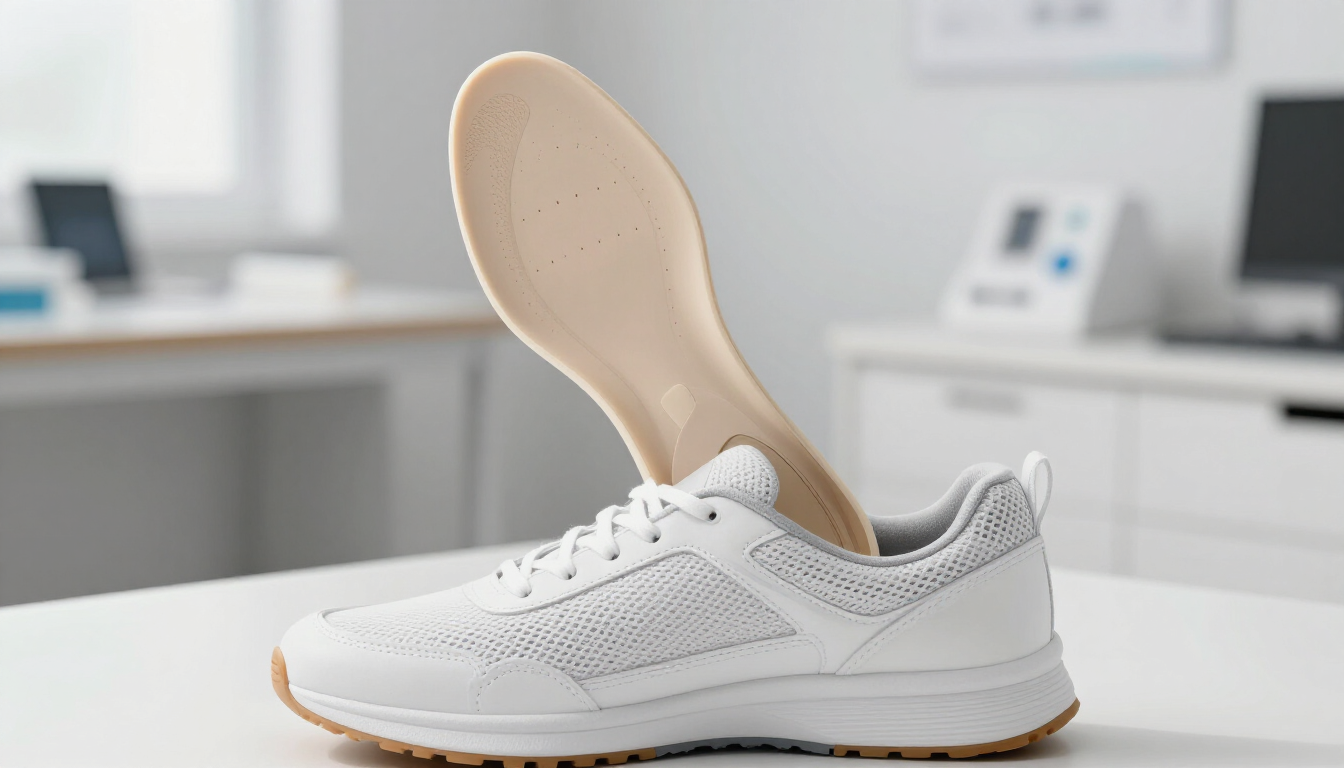
Custom orthotic insert for foot pain relief.
July 21, 2026
Discover how custom orthotics provide superior support, align your body, and eliminate foot pain compared to store-bought inserts.

Close up of feet walking on a sunny beach during summer.
June 18, 2026
Protect your feet from the summer heat! Our guide covers everything from preventing blisters and sunburn to managing heat-related foot swelling and fungal infections for North Carolina residents.

By VIV Builder • April 9, 2026
Keep your feet healthy and pain-free this Foot Health Awareness Month. Learn about heel pain, orthotics, diabetic care, and injury treatment to stay active.

By VIV Builder • March 17, 2026
Achilles tendonitis can cause heel pain and stiffness that worsens over time. Learn the symptoms, causes, and how podiatry care can help you recover and stay active.

By VIV Builder • March 1, 2026
Ingrown toenails can quickly become painful if left untreated. Learn causes, symptoms, and how podiatry care can provide safe, effective relief and prevention.

By VIV Builder • February 19, 2026
Don’t ignore an ankle sprain. Learn symptoms, causes, and why early treatment is key to preventing long-term pain and instability with expert podiatry care.

By VIV Builder • February 5, 2026
Show your feet some love this February. Learn about common foot problems like heel pain, ingrown toenails, and diabetic foot care, and how podiatry treatment can help.

By VIV Builder • January 23, 2026
Learn what a podiatrist does and how they can help treat foot and ankle conditions. Discover when to seek care and how to stay active, pain-free, and healthy.

By VIV Builder • January 9, 2026
Start the new year pain-free by addressing heel pain early. Learn common causes like plantar fasciitis and how podiatry care can help you stay active and comfortable.

Show More