
Summer Foot Care: 5 Ways to Beat the Heat (2026)

June 18, 2026

Summer foot care is the practice of protecting your feet from seasonal hazards like extreme heat, humidity, and increased activity. To maintain foot health, you must manage swelling through hydration, prevent blisters with proper moisture-wicking gear, and protect skin from sunburn and fungal infections with specialized hygiene routines.

Why do feet swell in the summer heat?

If you’ve ever looked down at the end of a July day in North Carolina and wondered if your feet were replaced by two oversized loaves of sourdough bread, you aren't alone. This phenomenon is known as heat edema. When the temperature spikes, your body’s natural cooling mechanism—expanding blood vessels—kicks into high gear. While this helps dissipate heat, gravity pulls that fluid downward, leading to significant swelling in the ankles and feet.

This isn't just an aesthetic issue; it’s a comfort crisis. Swelling can make your shoes feel like medieval torture devices, leading to secondary issues like Foot Pain and skin irritation. In our humid climate, the air is often as thick as molasses, making it harder for sweat to evaporate and the body to cool down efficiently. To combat this, we recommend frequent elevation. Raising your feet above the level of your heart for fifteen minutes several times a day can help gravity work for you rather than against you.

Additionally, salt is the enemy of the summer foot. High sodium intake encourages your body to retain even more water, compounding the heat-induced swelling. If you find the swelling is persistent or accompanied by pain, it might be time to look into our Services to ensure there isn't an underlying circulatory issue. Remember, your feet are your foundation; treat them with the respect they deserve when the mercury rises.

How can I prevent blisters during summer walks?

Blisters are the uninvited guests of every summer hike, beach stroll, and shopping trip. They occur when friction, heat, and moisture combine to create a perfect storm of skin irritation. In the summer, your feet sweat more, which softens the skin and makes it far more susceptible to tearing. To prevent this, the first rule of summer foot club is: ditch the cotton socks. Cotton absorbs moisture and holds it against your skin like a damp sponge.

Instead, opt for synthetic, moisture-wicking materials or merino wool blends that pull sweat away from the surface. This keeps the skin dry and resilient. If you know you have "hot spots"—those areas on your heels or toes that always seem to suffer—apply an anti-friction stick or a specialized bandage before you head out. This creates a sacrificial layer that takes the rub so your skin doesn't have to.

Proper fit is also non-negotiable. Many people buy shoes that fit perfectly in the winter, only to find they are too tight when summer swelling occurs. A shoe that is too tight increases friction, while a shoe that is too loose allows the foot to slide around—both are recipes for blister disaster. If you're managing Sports Injuries, the importance of friction management doubles, as an open blister can quickly lead to an Infection.

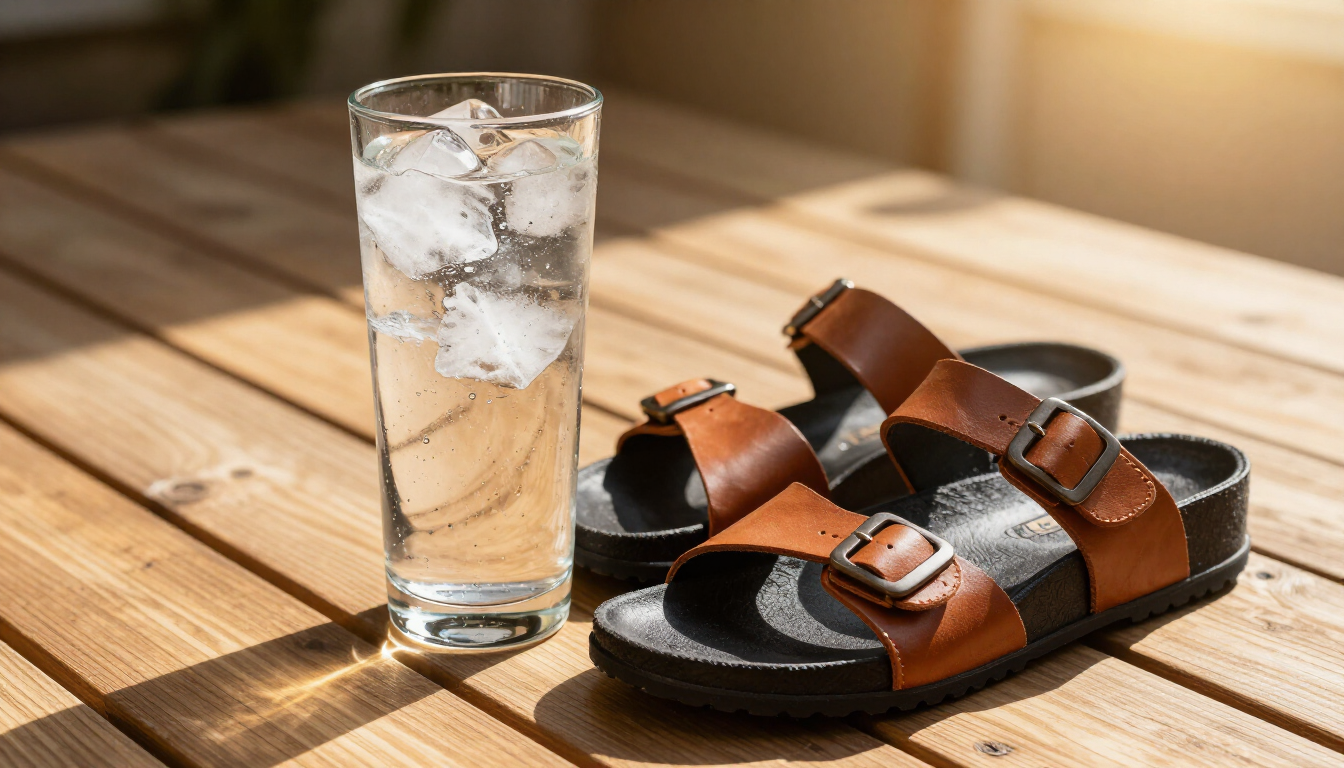
Iced water and sandals on a deck

Smart Footwear Choices for NC Summers

Choosing the right footwear in the summer is a delicate balancing act between style, breathability, and structural integrity. While it’s tempting to live in the cheapest pair of foam sandals you can find at the drugstore, your arches will likely file a formal protest. Summer shoes should offer a firm sole that doesn't bend in half easily, providing the support needed for all those outdoor activities.

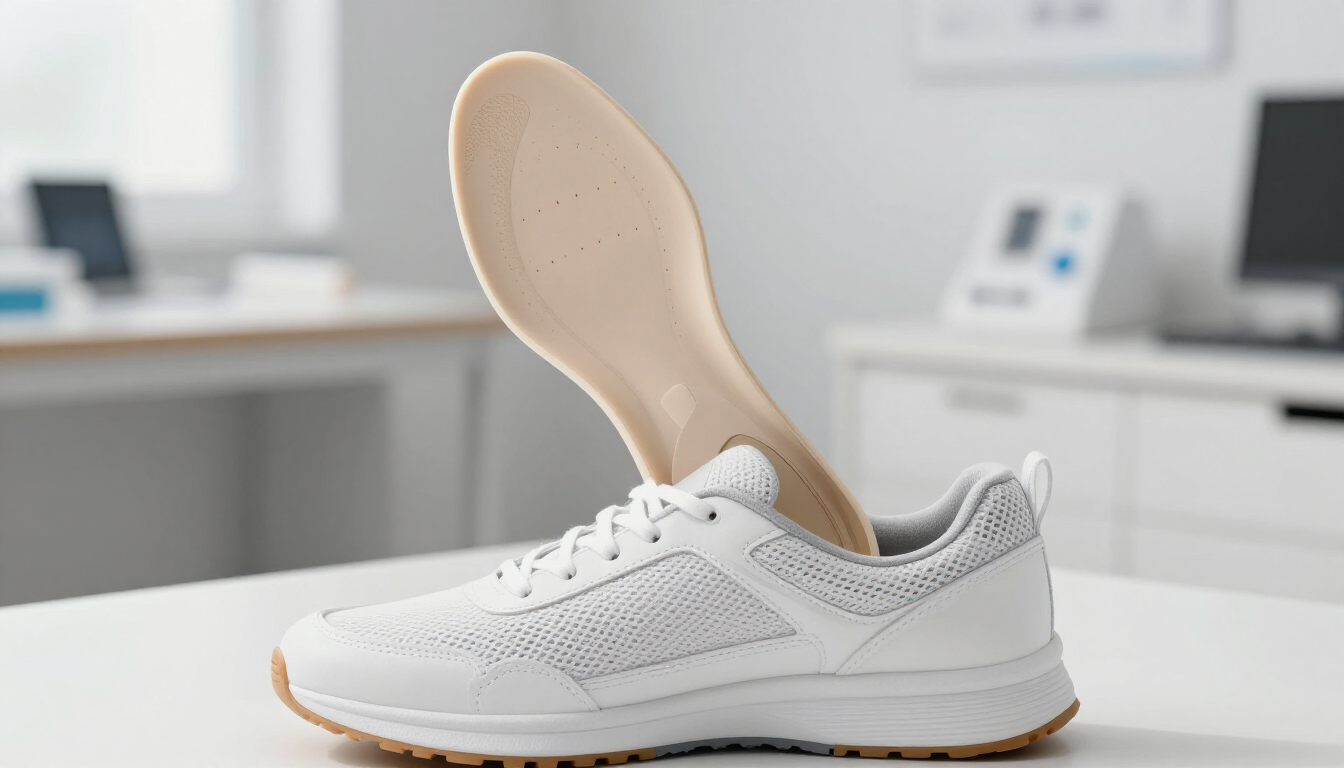
Materials matter. Natural fibers like leather or canvas are generally more breathable than synthetic plastics, which can turn your shoes into miniature saunas. If you are prone to conditions like Flat Feet, you might need specialized Orthotics that are designed to fit into lower-profile summer footwear. We often see patients who transition too quickly from supportive winter boots to flimsy summer flats, leading to a spike in Plantar Fasciitis cases.

Consider these features when shopping for summer shoes:

  • Adjustable straps to accommodate afternoon swelling
  • Contoured footbeds that support the natural arch
  • Breathable mesh panels for maximum airflow
  • A wide toe box to prevent Bunions from aching
  • Cushioned heels to absorb the impact of hard summer pavements

Is it safe to wear flip-flops all summer?

We hate to be the bearer of bad news, but your favorite $5 flip-flops are likely doing more harm than good. While they are great for the locker room or a quick dash to the mailbox, they offer zero arch support and no heel cushioning. This lack of structure forces your toes to "scrunch" or grip the front of the sandal to keep it on your foot, which can exacerbate Hammertoes and lead to significant Heel Pain.

Furthermore, flip-flops leave your feet entirely exposed to the elements. From stubbed toes to insect bites and the ever-present risk of Warts in public pool areas, the "naked" foot is a vulnerable foot. If you absolutely love the ease of a slide, look for brands that specialize in orthopedic sandals. These provide the same airy feel but with a built-in arch and a deep heel cup that keeps your foot aligned.

If you find yourself limping after a day at the beach, you might be experiencing a strain on the Achilles Tendonitis or another overuse injury. The flat nature of most flip-flops puts an unusual amount of tension on the back of the leg. It’s okay to indulge occasionally, but for your daily North Carolina adventures, reach for something with a bit more backbone.

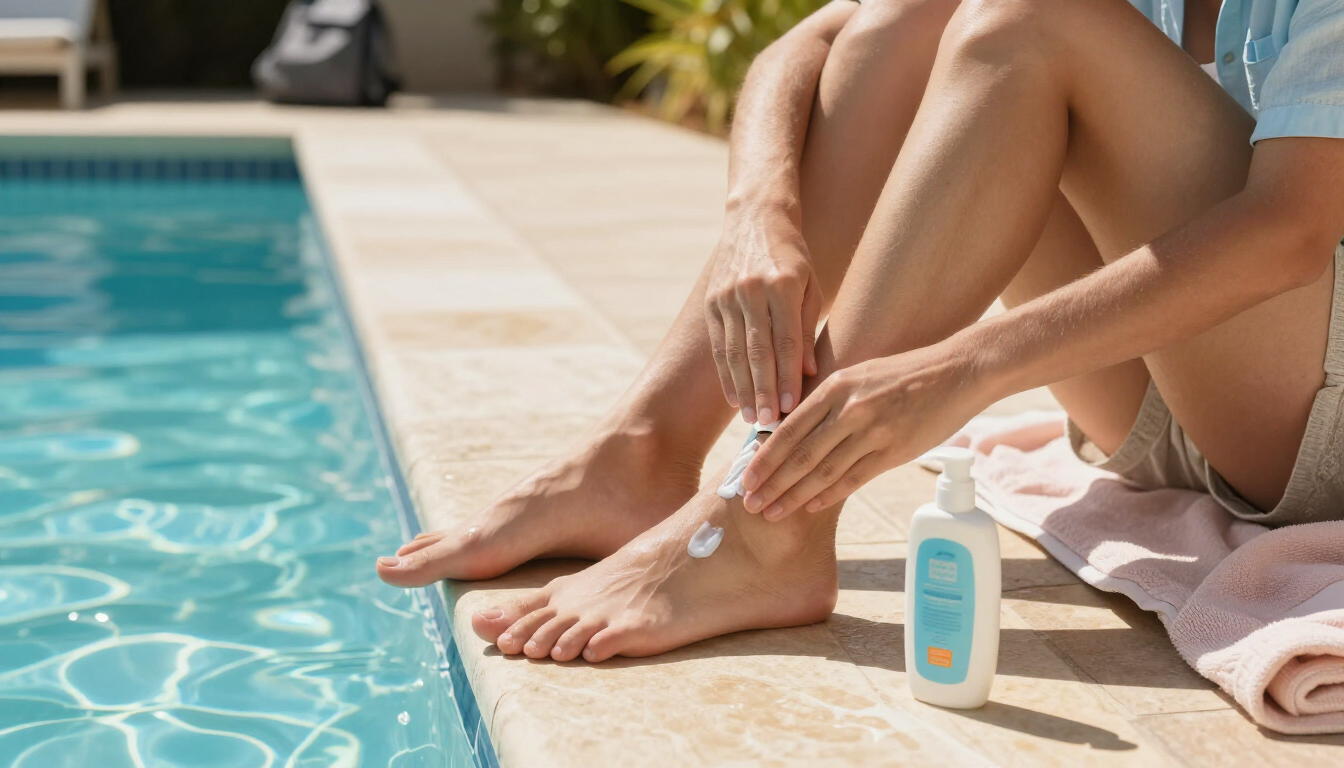
Applying sunscreen to feet

How do I treat a foot sunburn?

Many people remember to slather sunscreen on their shoulders and nose but completely forget the tops of their feet. The skin on the dorsal (top) part of your foot is actually quite thin and sensitive, making it prime real estate for a painful burn. A foot sunburn can make wearing shoes nearly impossible and, in severe cases, can lead to blistering that requires professional Wound Care.

If you do find yourself with "lobster feet," the first step is to get out of the sun and apply cool (not cold) compresses. Aloe vera gel can provide temporary relief, but avoid heavy ointments like petroleum jelly, which can trap the heat in the skin. Hydration is key here as well; a sunburn draws fluid to the skin's surface and away from the rest of the body.

Prevention is, of course, the best medicine. Apply a broad-spectrum SPF 30 or higher to the tops of your feet and around the ankles every two hours, especially if you are swimming or sweating. If you have a history of Diabetic Foot Care needs, a sunburn can be particularly dangerous, as it can hide signs of infection or cause skin breakdown that is slow to heal. Be vigilant and don't let a sunny day turn into a week of discomfort.

Preventing Fungal Infections in High Humidity

Fungi love two things: darkness and moisture. Your shoes in a North Carolina summer provide both in spades. This is the peak season for Athlete's Foot and Fungal Toenails. These infections aren't just an aesthetic nuisance; they can cause itching, burning, and even painful cracking of the skin.

To keep the fungus among us at bay, follow these hygiene rules:

  • Never wear the same pair of shoes two days in a row; give them 24 hours to dry out.
  • Wash your feet daily with soap and water, and dry thoroughly between the toes.
  • Wear shower shoes in public gyms, pools, and locker rooms.
  • Use an antifungal spray or powder in your shoes if you are prone to infections.
  • Keep your toenails trimmed straight across to prevent Ingrown Toenails which can provide an entry point for bacteria.

If you notice thickening, yellowing, or crumbling of your nails, don't wait for it to clear up on its own—it rarely does. We offer advanced Laser Treatment options that can clear up stubborn infections more effectively than messy over-the-counter creams. Keeping your feet dry is the best way to ensure you aren't providing a luxury resort for fungal spores.

Why is hydration key for foot health?

Staying hydrated is about more than just quenching your thirst; it’s about maintaining the volume of your blood and the efficiency of your circulation. When you are dehydrated, your blood becomes more viscous (thicker), which makes it harder for your heart to pump it all the way down to your toes and back up again. This sluggish circulation can lead to increased cramping and that heavy, leaden feeling in your legs.

Proper hydration also helps regulate your internal body temperature. When you are well-hydrated, you sweat more efficiently, which cools the skin and reduces the vasodilation that leads to swelling. Think of water as the coolant in your car’s radiator; without it, the engine (your feet) starts to smoke. Aim for at least half your body weight in ounces of water daily, especially if you are active outdoors.

For those dealing with Arthritis or Gout, hydration is even more critical. Dehydration can cause uric acid levels to spike, potentially triggering a painful gout flare-up in the big toe. Keep a reusable water bottle with you at all times, and your feet will thank you with every step you take through the Carolina pines.

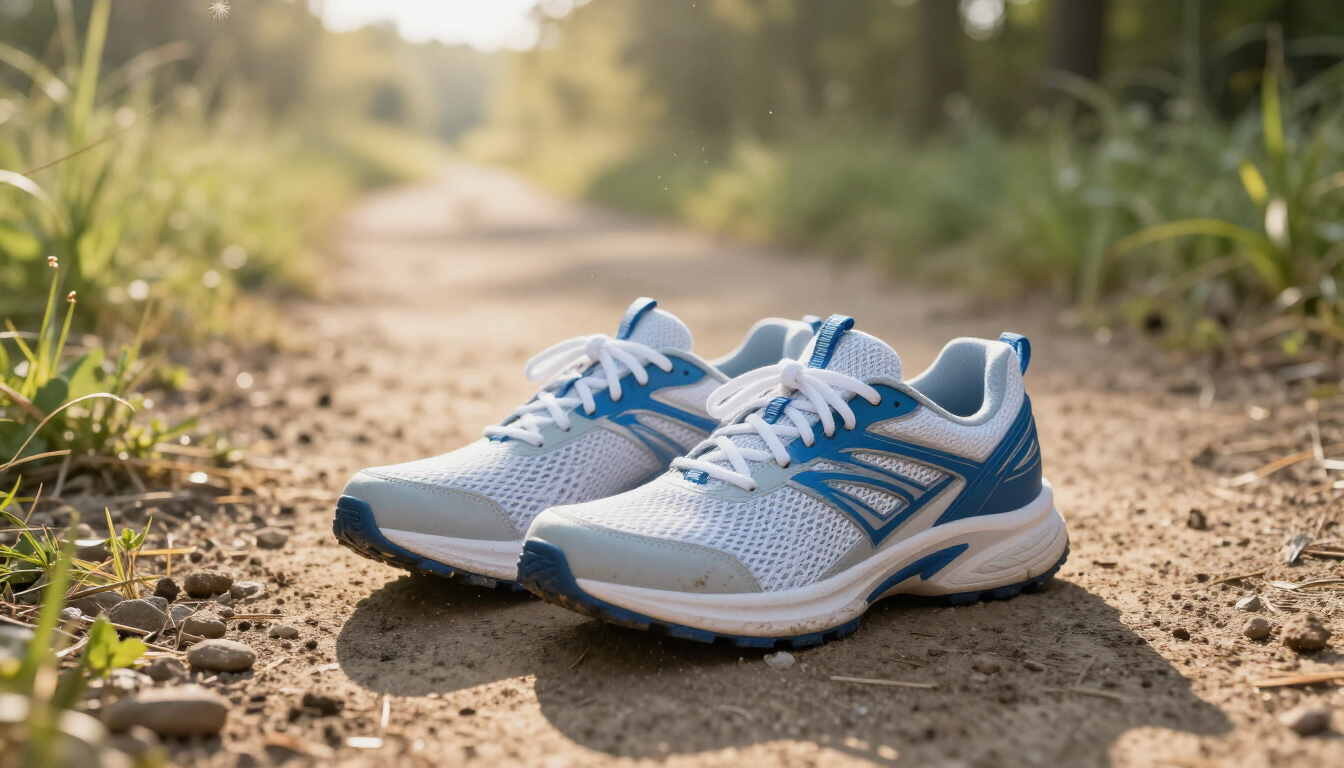
Running shoes on a summer trail

Your Daily Summer Foot Care Routine

Establishing a consistent routine is the best way to prevent small summer issues from becoming major podiatric headaches. You don't need a spa day every day; you just need five minutes of focused attention. Before you head to bed, give your feet a quick inspection. Check for new blisters, redness, or any signs of Corns that might be developing from your summer footwear.

Follow these simple steps for a happy summer:

  1. Wash and dry: Focus on the spaces between your toes where moisture lurks.
  2. Moisturize the heels: Summer sandals can lead to cracked heels; use a thick cream, but avoid putting it between the toes.
  3. Elevate: Spend ten minutes with your feet up to reduce the day's swelling.
  4. Sunscreen check: Ensure you haven't missed a spot if you're heading back out.
  5. Shoe rotation: Pick a fresh, dry pair of shoes for the next day.

If you ever feel that your foot health is slipping, or if an old injury like Ankle Sprains starts acting up in the heat, don't hesitate to reach out. We are committed to helping our community maintain an active, pain-free lifestyle, one step at a time.

Summary of Summer Foot Success

Summer foot care is all about proactive management of heat, moisture, and support. By choosing the right footwear, staying hydrated, and maintaining a strict hygiene routine, you can avoid the common pitfalls of the season. Remember that your feet are susceptible to the same environmental stressors as the rest of your body, and they require specialized attention during the North Carolina heatwaves.

  • Stay Supported: Avoid flimsy flip-flops and opt for shoes with arch support.
  • Stay Dry: Use moisture-wicking socks and rotate your shoes daily.
  • Stay Protected: Apply sunscreen to your feet and wear shoes in public areas.
  • Stay Hydrated: Drink plenty of water to manage swelling and circulation.

If you experience persistent pain, swelling, or signs of infection, Contact Us today for a comprehensive evaluation. Let's make sure your summer memories are about the fun you had, not the foot pain you endured.

By VIV Builder April 9, 2026
Keep your feet healthy and pain-free this Foot Health Awareness Month. Learn about heel pain, orthotics, diabetic care, and injury treatment to stay active.
By VIV Builder March 17, 2026
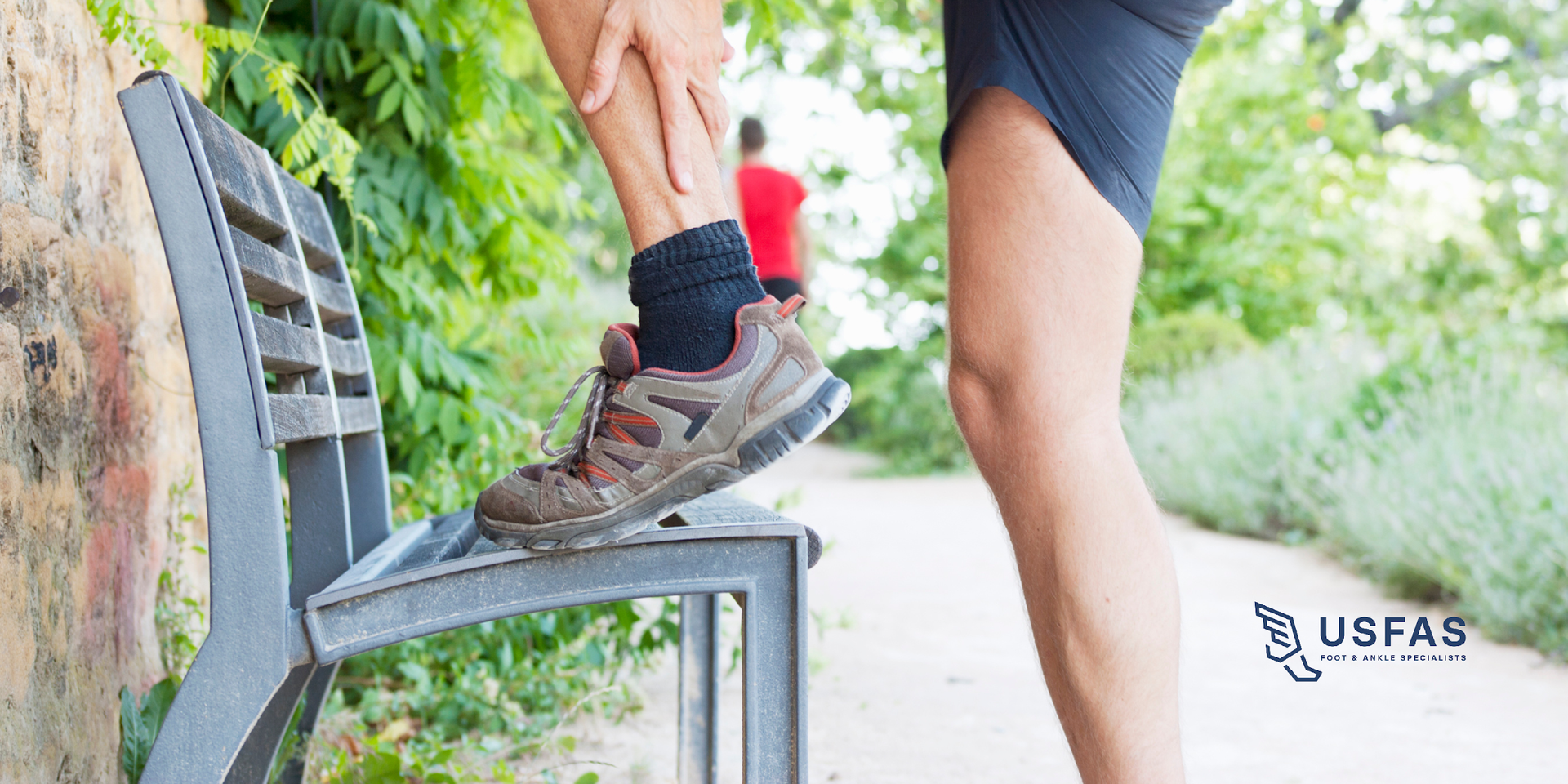
Achilles tendonitis can cause heel pain and stiffness that worsens over time. Learn the symptoms, causes, and how podiatry care can help you recover and stay active.
By VIV Builder March 1, 2026
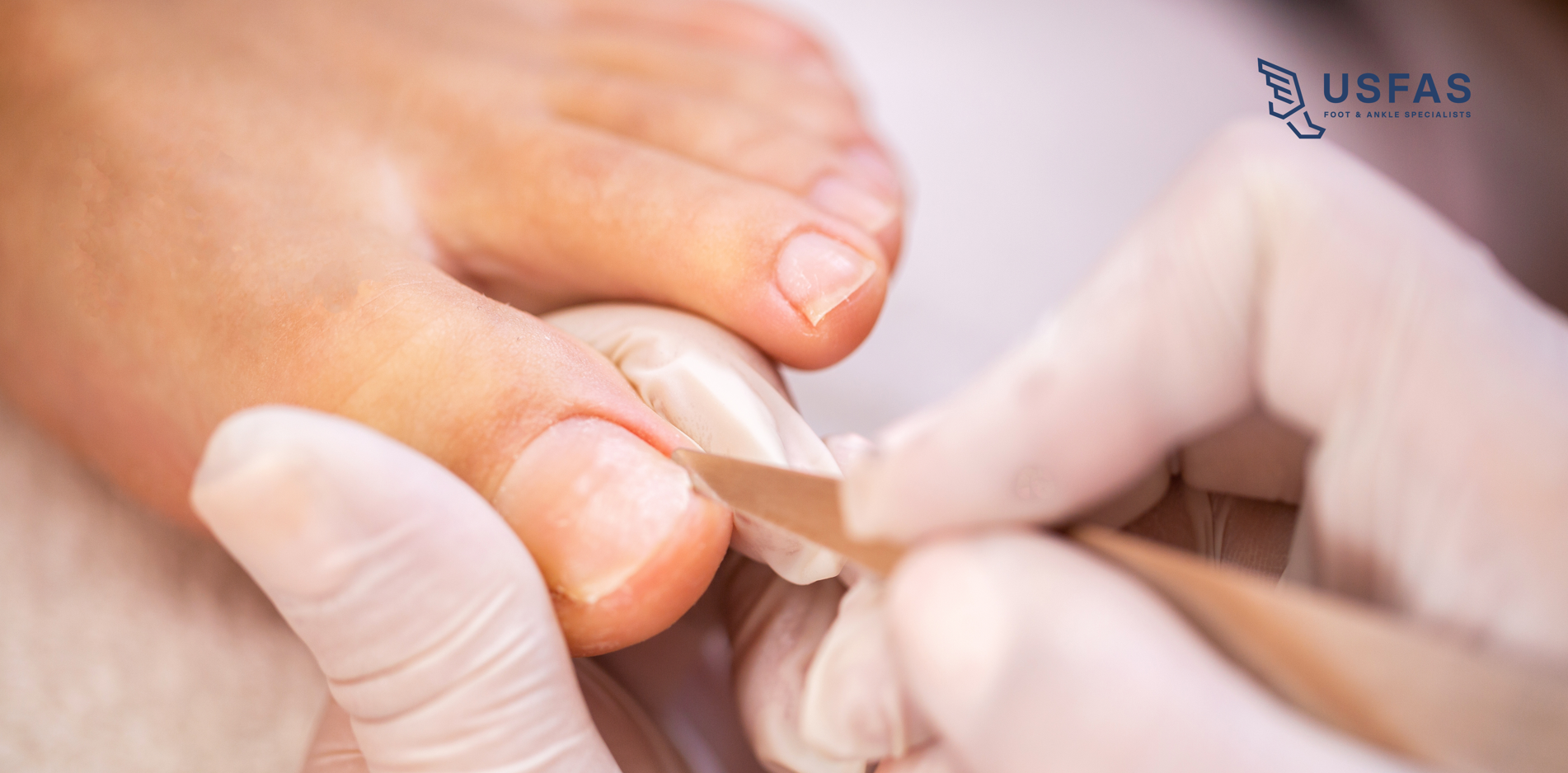
Ingrown toenails can quickly become painful if left untreated. Learn causes, symptoms, and how podiatry care can provide safe, effective relief and prevention.
By VIV Builder February 19, 2026
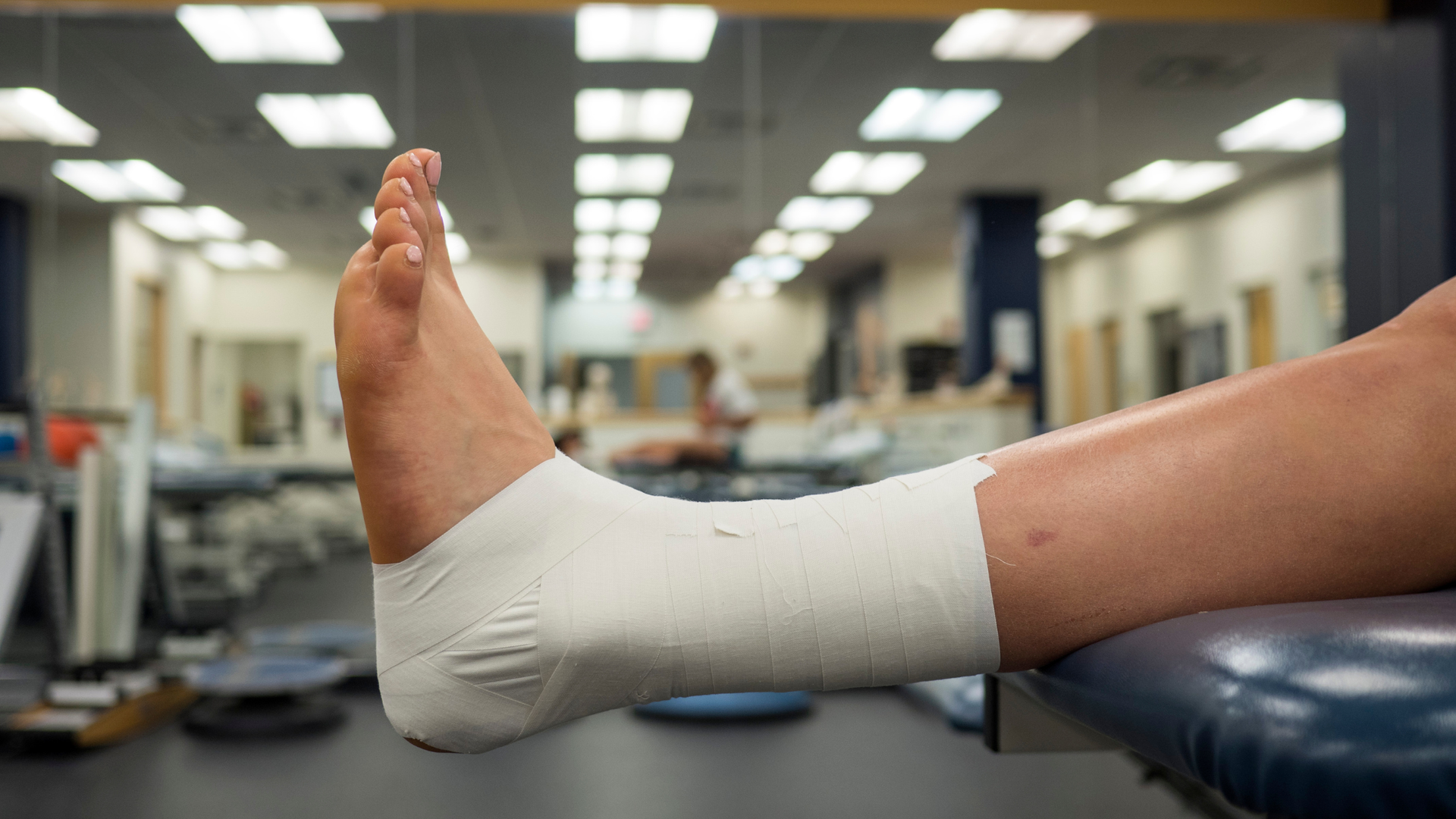
Don’t ignore an ankle sprain. Learn symptoms, causes, and why early treatment is key to preventing long-term pain and instability with expert podiatry care.
By VIV Builder February 5, 2026
Show your feet some love this February. Learn about common foot problems like heel pain, ingrown toenails, and diabetic foot care, and how podiatry treatment can help.
By VIV Builder January 23, 2026
Learn what a podiatrist does and how they can help treat foot and ankle conditions. Discover when to seek care and how to stay active, pain-free, and healthy.
By VIV Builder January 9, 2026
Start the new year pain-free by addressing heel pain early. Learn common causes like plantar fasciitis and how podiatry care can help you stay active and comfortable.

By VIV Builder December 18, 2025
Start 2026 on the right foot with expert podiatry care. Learn how to prevent foot pain, improve mobility, and stay active with comprehensive exams and treatment options.
By VIV Builder December 4, 2025
Give the gift of comfort this Christmas with custom orthotics. Learn how orthotics relieve foot pain, improve support, and help loved ones stay active and comfortable.

By VIV Builder November 7, 2025
Protect your feet this National Diabetes Awareness Month. Learn how diabetic foot care, exams, and proper support can prevent complications and keep you healthy.
Show More
