
How Sports Medicine in Podiatry Helps You Recover

October 12, 2026

Sports medicine in podiatry combines injury diagnosis, movement analysis, treatment, and prevention for athletes and active adults. A sports-focused podiatrist can identify the cause of foot or ankle pain, create a personalized recovery plan, and help you return to exercise safely while reducing the risk of reinjury.

What does sports medicine in podiatry treat?

Sports medicine in podiatry focuses on conditions affecting the feet, ankles, and lower legs during exercise, training, work, or everyday movement. Care may help with sudden injuries as well as gradual problems caused by overuse, poor mechanics, footwear, or training changes.

Common concerns include:

  • Ankle sprains and instability
  • Achilles tendonitis and other tendon injuries
  • Plantar fasciitis and heel pain
  • Stress injuries and fractures
  • Shin pain and overuse conditions
  • Running, jumping, and sports-related foot pain

A podiatrist evaluates how your feet interact with your ankles, knees, hips, and the ground. This whole-body perspective can reveal contributing factors that are easy to miss when treatment focuses only on the painful area.

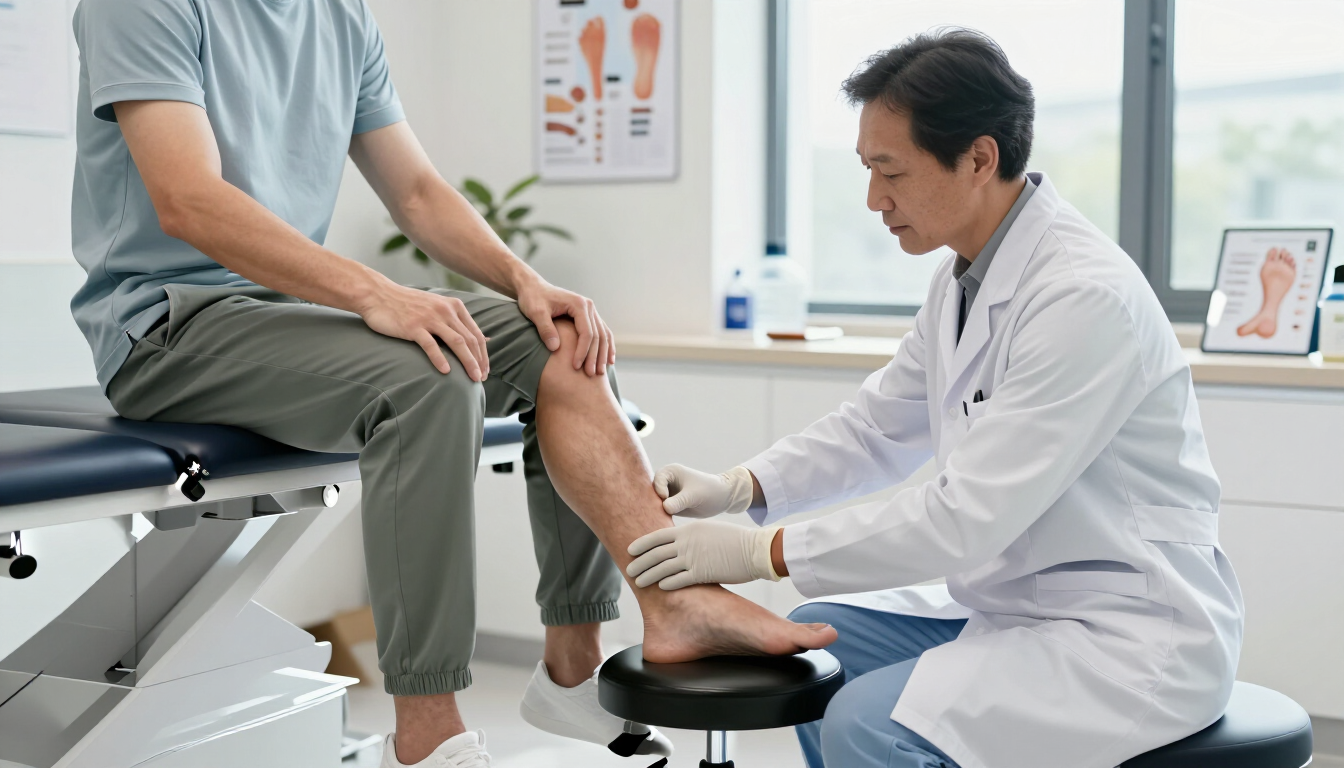
Athlete receiving a foot and ankle evaluation from a podiatrist

How can a podiatrist help you recover from a sports injury?

Recovery begins with an accurate diagnosis. Foot and ankle symptoms can overlap, so pain alone does not always identify the injured structure. Your appointment may include a medical history, physical examination, gait assessment, range-of-motion testing, and imaging when appropriate.

Your treatment plan may include:

  1. Activity modification: Adjusting training or temporarily replacing high-impact exercise with lower-impact movement.
  2. Pain and inflammation management: Using appropriate therapies, medication guidance, or supportive care.
  3. Rehabilitation exercises: Restoring strength, flexibility, balance, and coordination.
  4. Footwear or orthotic support: Improving alignment and distributing pressure more effectively.
  5. A gradual return-to-sport plan: Increasing activity based on function rather than a fixed calendar date.

The goal is not simply to make symptoms disappear. Effective sports injury treatment addresses why the injury happened and gives your body the support it needs to heal.

When should you see a sports podiatrist?

Consider scheduling an evaluation when pain affects your training, walking, work, or sleep; when swelling or bruising continues; or when symptoms return each time you resume activity. Prompt care is especially important if you cannot bear weight, heard a pop, notice significant deformity, or have numbness or color changes.

You may also benefit from an assessment if:

  • Your pain has lasted more than several days despite reducing activity.
  • You keep experiencing ankle sprains.
  • A recurring injury limits your performance.
  • You have changed training volume, terrain, or footwear.
  • You want guidance before returning to competition.

For more information about common causes and treatment options, explore our resources on sports injuries , ankle sprains , and ankle pain .

The recovery process

1. Evaluation and diagnosis

A sports podiatry visit starts by connecting your symptoms with your activity, training history, previous injuries, and goals. The clinician may observe your walking or running pattern and assess joint movement, muscle strength, balance, and tenderness.

2. Personalized treatment

No two athletes recover in exactly the same way. A recreational runner, competitive soccer player, and active professional may need different timelines and levels of support. Treatment can range from home exercises and temporary activity changes to physical therapy, immobilization, injections, or minimally invasive procedures when clinically appropriate.

3. Functional rehabilitation

Rehabilitation should prepare you for the demands of your activity. That may include calf strengthening, foot-muscle exercises, balance drills, mobility work, landing mechanics, or sport-specific movements. Progress is typically based on function, such as walking without pain, completing strength tests, or performing controlled hops.

4. Return to activity

Returning too quickly can restart the injury cycle. A gradual progression may begin with daily walking, continue through low-impact conditioning, and then add running, cutting, jumping, or full practice. Your provider can help define warning signs and milestones for each stage.

Can orthotics improve sports injury recovery?

Custom orthotics or other inserts may help some patients by supporting alignment, reducing pressure, and changing how forces move through the foot and lower limb. They are not necessary for every injury, and they should not replace strengthening or rehabilitation.

A podiatrist may consider orthotics when foot structure, excessive motion, uneven pressure, or recurring symptoms contribute to an injury. Learn more about how orthotics may fit into a broader treatment plan.

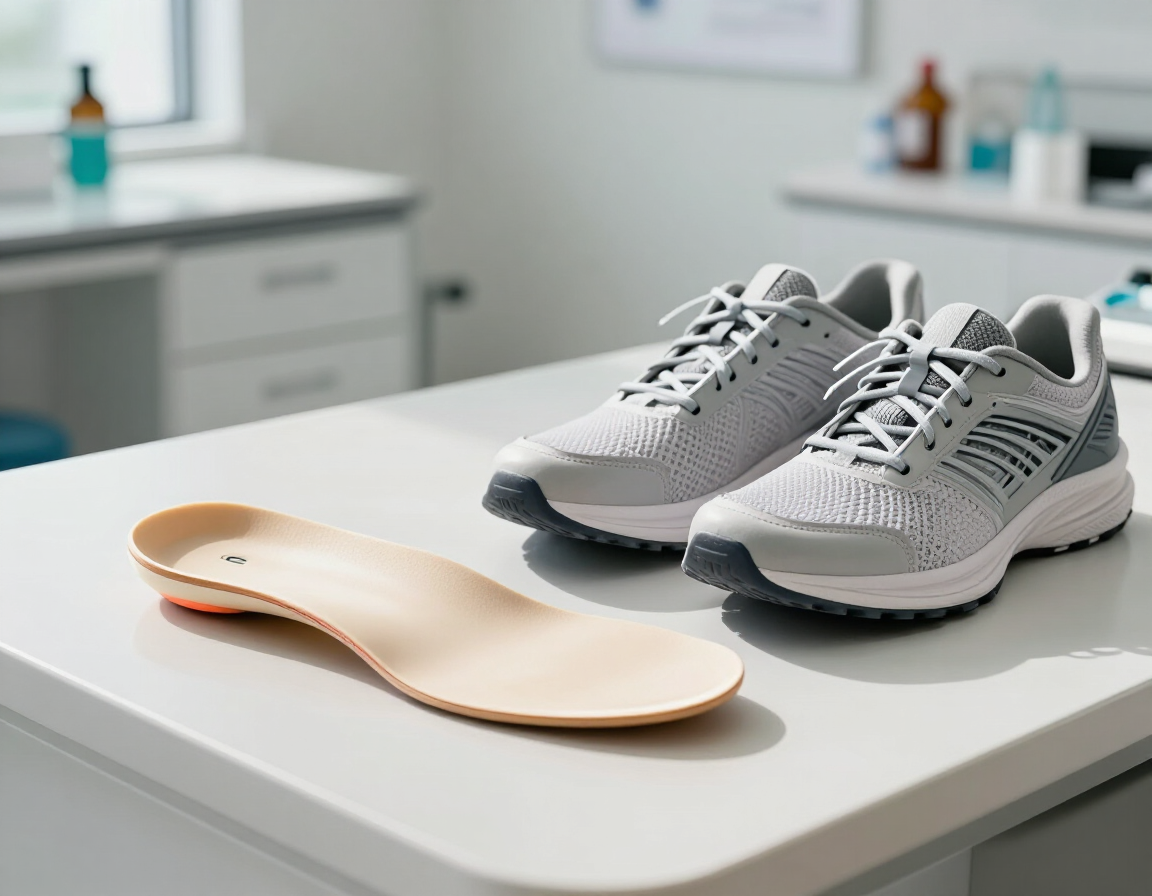
Custom orthotics beside athletic shoes in a podiatry clinic

How does sports podiatry prevent reinjury?

Prevention starts with identifying modifiable risks. These can include sudden increases in mileage, inadequate recovery, worn footwear, limited ankle mobility, weak supporting muscles, poor balance, or returning to sport before strength has been restored.

Helpful strategies include:

  • Increase training load gradually rather than making abrupt changes.
  • Replace worn shoes and choose footwear suited to your activity.
  • Include warm-ups, strength training, and mobility work.
  • Allow recovery time between demanding sessions.
  • Respond early to persistent pain instead of training through it.

A sports podiatrist can also review your technique, work demands, surfaces, and previous injuries to create a practical prevention plan.

Sports medicine services for active adults

Sports-focused foot and ankle care can support people at many activity levels, including runners, hikers, dancers, recreational athletes, gym members, and workers whose jobs require prolonged standing or walking. The objective is to protect mobility while matching care to your lifestyle and goals.

Depending on your needs, services may include biomechanical evaluation, wound care, custom orthotics, sports injury management, preventative education, and minimally invasive procedures. You can review the practice’s broader services or learn about care for foot pain and plantar fasciitis .

Frequently asked questions

Is a podiatrist a good choice for a sports injury?

Yes. Podiatrists specialize in the foot and ankle and can evaluate how these areas affect movement throughout the lower body. They can diagnose many sports injuries, coordinate rehabilitation, recommend support, and refer you to another professional when additional care is needed.

How long does recovery take?

Recovery depends on the injury, its severity, your health, treatment plan, and how consistently you follow rehabilitation. A mild soft-tissue problem may improve in weeks, while a fracture, tendon injury, or recurring condition may require a longer progression.

Should I stop exercising completely?

Not always. Your clinician may recommend modifying intensity, impact, duration, or the type of activity. Continuing safe movement can help preserve conditioning, but painful or risky activity should be avoided until you receive personalized guidance.

Can I prevent sports injuries completely?

No prevention plan eliminates risk. However, gradual training changes, appropriate footwear, strength and balance work, recovery time, and early evaluation can reduce risk and limit the impact of many injuries.

Key takeaways

Sports medicine in podiatry is useful when foot or ankle pain interferes with activity, keeps returning, or makes it difficult to progress safely. A sports podiatrist can identify the cause, build a treatment plan, guide rehabilitation, and address factors that may lead to reinjury. Start by noting when symptoms began, what activities worsen them, and any training or footwear changes. Then schedule an evaluation if pain persists, limits function, or follows a significant injury. Use the guidance from your care team to return gradually and confidently.

If you are ready to discuss persistent pain or an active injury, visit Contact or learn what to expect as a new patient .

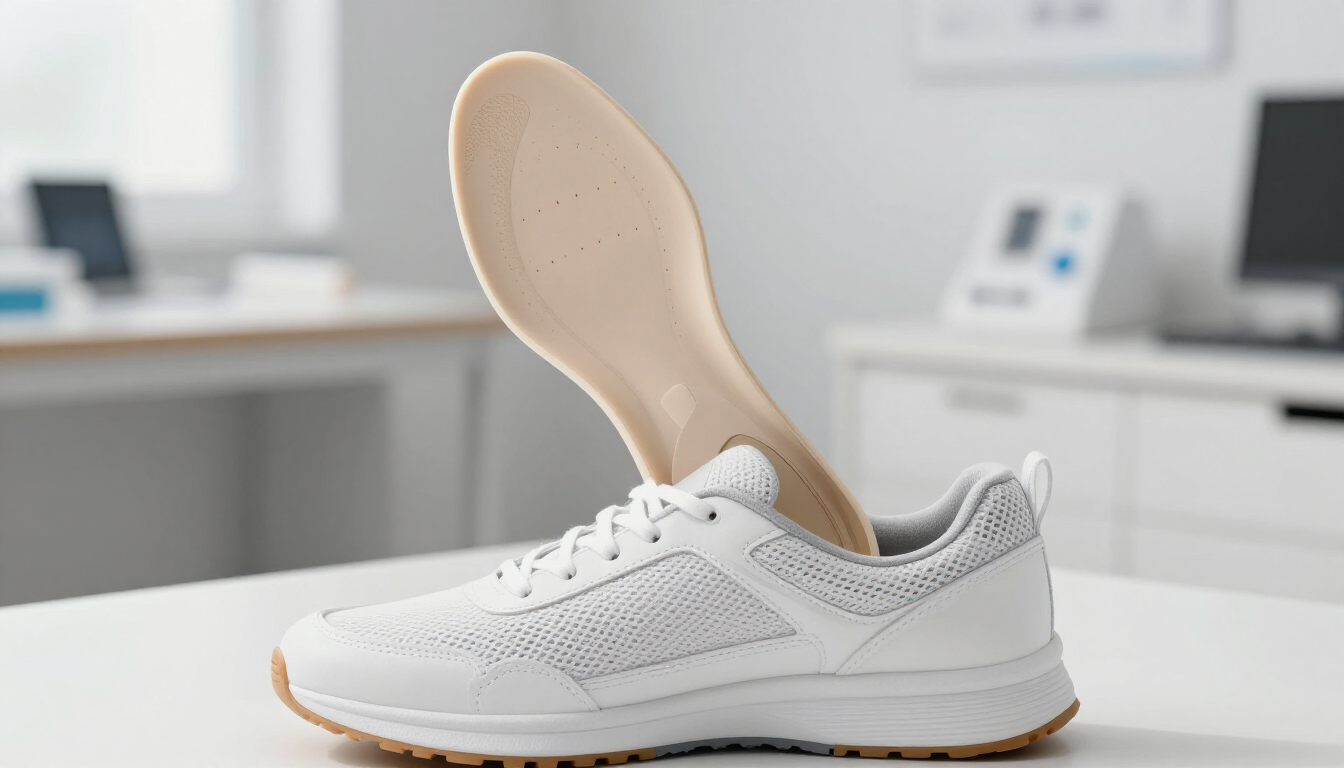
Custom orthotic insert for foot pain relief.
July 21, 2026
Discover how custom orthotics provide superior support, align your body, and eliminate foot pain compared to store-bought inserts.
Close up of feet walking on a sunny beach during summer.
June 18, 2026
Protect your feet from the summer heat! Our guide covers everything from preventing blisters and sunburn to managing heat-related foot swelling and fungal infections for North Carolina residents.

By VIV Builder • April 9, 2026
Keep your feet healthy and pain-free this Foot Health Awareness Month. Learn about heel pain, orthotics, diabetic care, and injury treatment to stay active.

By VIV Builder • March 17, 2026
Achilles tendonitis can cause heel pain and stiffness that worsens over time. Learn the symptoms, causes, and how podiatry care can help you recover and stay active.
By VIV Builder • March 1, 2026
Ingrown toenails can quickly become painful if left untreated. Learn causes, symptoms, and how podiatry care can provide safe, effective relief and prevention.
By VIV Builder • February 19, 2026
Don’t ignore an ankle sprain. Learn symptoms, causes, and why early treatment is key to preventing long-term pain and instability with expert podiatry care.
By VIV Builder • February 5, 2026
Show your feet some love this February. Learn about common foot problems like heel pain, ingrown toenails, and diabetic foot care, and how podiatry treatment can help.
By VIV Builder • January 23, 2026
Learn what a podiatrist does and how they can help treat foot and ankle conditions. Discover when to seek care and how to stay active, pain-free, and healthy.

By VIV Builder • January 9, 2026
Start the new year pain-free by addressing heel pain early. Learn common causes like plantar fasciitis and how podiatry care can help you stay active and comfortable.

By VIV Builder • December 18, 2025
Start 2026 on the right foot with expert podiatry care. Learn how to prevent foot pain, improve mobility, and stay active with comprehensive exams and treatment options.

Show More